Transaction Methods Influencing Incentive Programs Within Mobile Card Game and Wheel Spin Platforms
Written by Sofia Reed · Aug 1, 2026
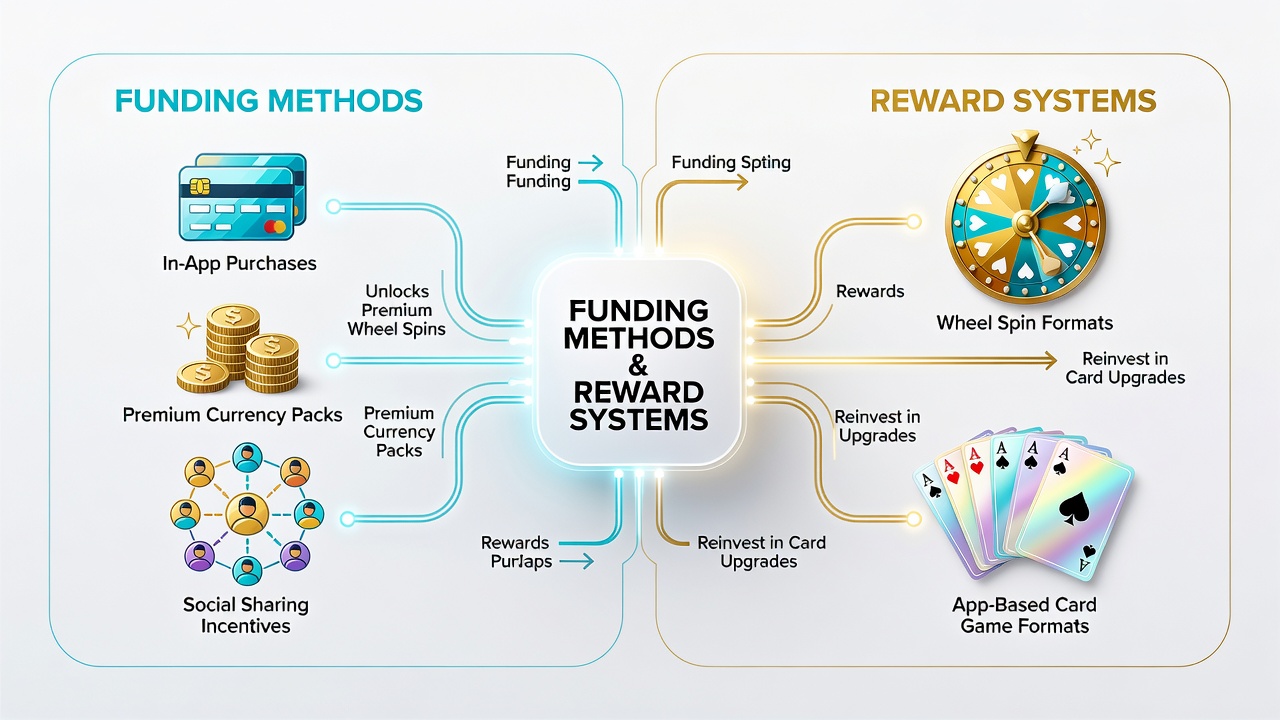
Transaction Methods Influencing Incentive Programs Within Mobile Card Game and Wheel Spin Platforms
App-based card games and wheel spin formats operate through distinct yet interconnected systems where funding methods directly shape reward eligibility, timing, and structure, with data from multiple regulatory regions illustrating measurable patterns in user engagement and bonus distribution.
Core Funding Channels in Digital Gaming Environments
Digital wallets, bank transfers, and card-based payments form the primary funding channels across mobile platforms, and researchers have documented how each method triggers specific reward pathways that differ between card-based titles like poker variants or blackjack simulations and wheel spin formats such as digital roulette or segmented prize wheels. Studies from the American Gaming Association indicate that instant processing options including certain e-wallets enable immediate credit to player accounts, which in turn activates time-sensitive reward tiers unavailable to slower funding routes like traditional bank transfers that require 24 to 72 hours for clearance. Observers note that platforms often calibrate bonus multipliers according to deposit speed, creating a direct correlation where faster methods unlock higher percentage returns on initial funding while delayed methods restrict access to progressive reward ladders.
Reward System Architectures and Their Dependencies
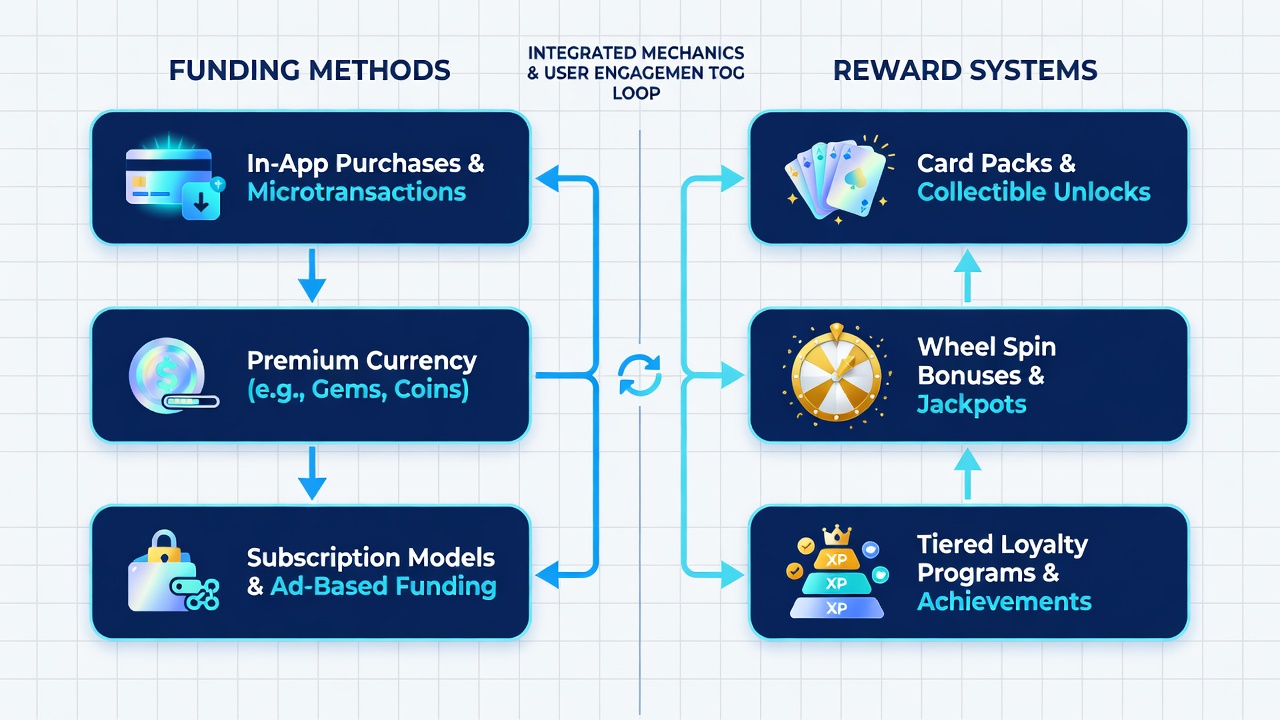
Reward architectures in these apps typically include deposit-matched credits, free spin allocations, and loyalty point accruals, yet the availability of each hinges on the funding method selected at the point of transaction. Evidence from industry analyses shows that card game sessions frequently tie reward unlocks to minimum deposit thresholds processed through verified channels, whereas wheel spin formats extend additional spin credits when funding arrives via integrated mobile payment services that support real-time verification. Those who've examined platform mechanics find that reward expiration windows tighten or expand based on deposit origin, with e-wallet transactions often paired with shorter claim periods that encourage rapid engagement while card payments sometimes receive extended windows to accommodate processing variances.
Documented Linkages Across Game Categories
Connections emerge most clearly when comparing how funding velocity affects reward stacking in card versus wheel environments, since card games tend to emphasize sustained play bonuses while wheel spins favor volume-based spin grants. Data indicates that users funding via debit instruments linked to instant authorization receive layered rewards more readily in wheel spin modules, where each deposit can cascade into multiple spin allocations, whereas the same method in card game sections might prioritize cashback percentages over spin equivalents. Platforms adjust these mechanics regionally, and figures from Australian regulatory reviews reveal that restrictions on credit card funding have shifted reward emphasis toward wallet-based deposits, resulting in measurable increases in wheel spin participation rates during peak periods.
Platform operators implement tiered verification that further binds funding type to reward access, and experts have observed that multi-factor authentication required for larger deposits through bank channels delays reward activation compared with pre-verified wallet entries that bypass secondary checks. In August 2026 several North American jurisdictions began piloting unified digital identity standards that streamline these processes across both game categories, allowing reward systems to respond uniformly regardless of whether users engage card tables or wheel interfaces. Such standardization has produced preliminary data showing reduced friction between deposit and reward claim, particularly when mobile apps integrate single-sign-on features that carry verification status across sessions.
Regional Regulatory Impacts on Method-Reward Dynamics
Regulatory frameworks in Canada and parts of Europe impose distinct rules on acceptable funding sources that indirectly reshape reward offerings, with certain provinces limiting reward eligibility for deposits made through international card networks while favoring domestic instant transfer systems. Reports compiled by the Canadian Centre on Substance Use and Addiction highlight how these constraints lead platforms to develop parallel reward tracks, one optimized for rapid wallet funding that feeds wheel spin bonuses and another calibrated for verified card deposits that unlock card game loyalty multipliers. The result appears in aggregated usage statistics where reward redemption patterns diverge sharply according to funding origin rather than player preference alone.
Emerging Patterns in 2026 Platform Updates
Platform updates rolled out through mid-2026 have introduced dynamic reward engines that recalibrate offers in real time based on funding method metadata, and analysts tracking these changes report higher conversion rates when wheel spin rewards align with wallet deposits while card game bonuses favor established bank linkages. Cross-category data sets demonstrate that users who alternate between card and wheel formats within a single session often receive compounded rewards only when initial funding clears through compatible channels, underscoring the mechanical ties between transaction speed and incentive layering. Industry organizations continue to monitor these evolutions, noting that transparency requirements in several markets now mandate disclosure of how deposit methods influence reward availability.
Conclusion
Funding methods and reward systems in app-based card game and wheel spin formats remain tightly coupled through processing speed, verification protocols, and regional rules that determine eligibility windows and bonus structures. Continued observation of platform data across jurisdictions will clarify how these linkages evolve as digital payment standards advance and regulatory approaches converge or diverge.