Regulatory Oversight Shaping Hybrid Slot and Live Dealer Gaming Through Diverse Funding Channels
Written by Sofia Reed · Nov 10, 2026
Regulatory Oversight Shaping Hybrid Slot and Live Dealer Gaming Through Diverse Funding Channels
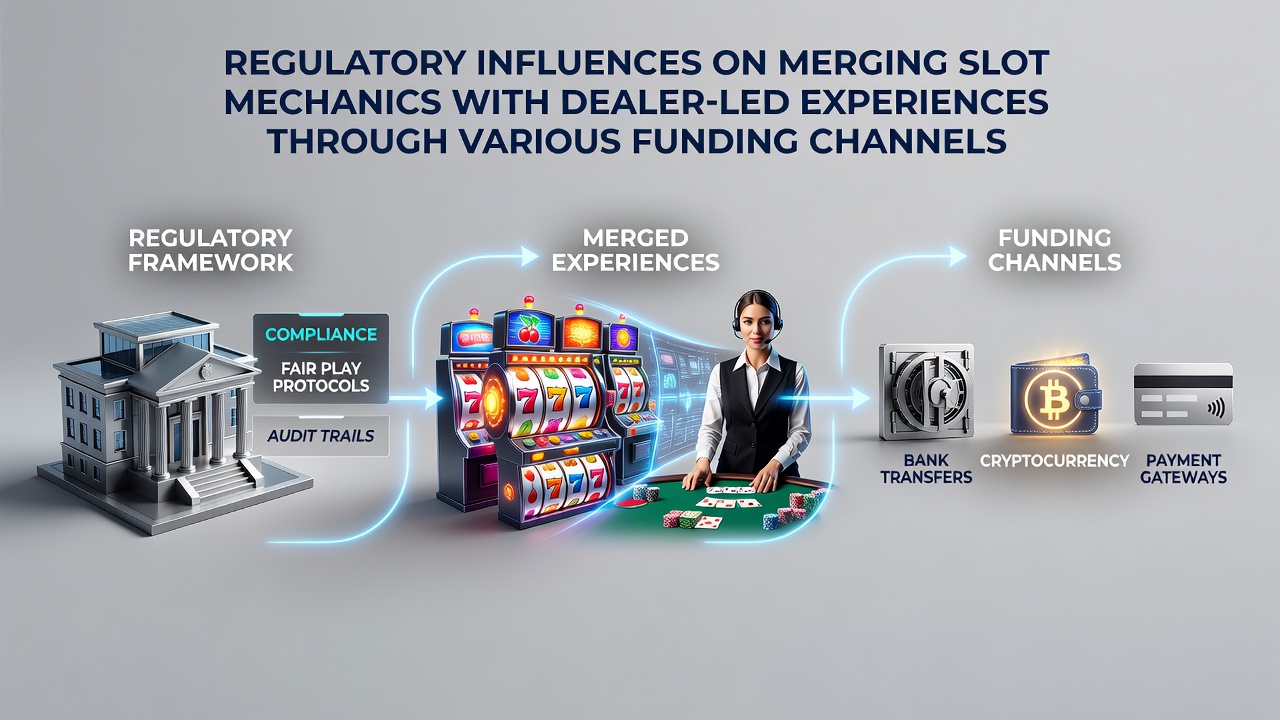
Regulatory bodies across multiple jurisdictions have established frameworks that guide how operators combine slot mechanics such as random number generators and bonus rounds with live dealer formats that rely on real-time human interaction, and these rules extend directly to the payment systems that fund player participation. Observers note that integration occurs when automated features appear within streamed table environments or when bonus mechanics transfer value between digital reels and physical dealer tables.
Core Regulatory Principles Across Regions
Authorities require clear separation of game categories so that slot elements remain subject to probability testing while dealer-led sessions undergo oversight on fairness of card shuffling and wheel spins. Data from the Nevada Gaming Control Board shows licensing applications must detail how funding channels such as bank transfers, digital wallets, and prepaid cards interface with both game types without creating unauthorized crossovers.
Researchers at academic institutions have documented that compliance documentation often lists transaction audit trails that record when a player moves funds from a slot bonus balance into a live dealer session. Such records help regulators verify that age verification and anti-money laundering checks remain consistent regardless of whether the experience originates from automated reels or human-led tables.
Payment Channel Scrutiny and Hybrid Mechanics
Funding pathways receive particular attention because they serve as the conduit between slot mechanics and dealer-led experiences. Electronic wallet providers must demonstrate that deposit and withdrawal logs separate bonus funds earned on slots from those used at live tables, while bank transfer protocols require timestamped records that align with game session data. In November 2026 several North American and European regulators issued joint guidance clarifying that any shared bonus pool must carry distinct identifiers that prevent commingling of funds across game categories.
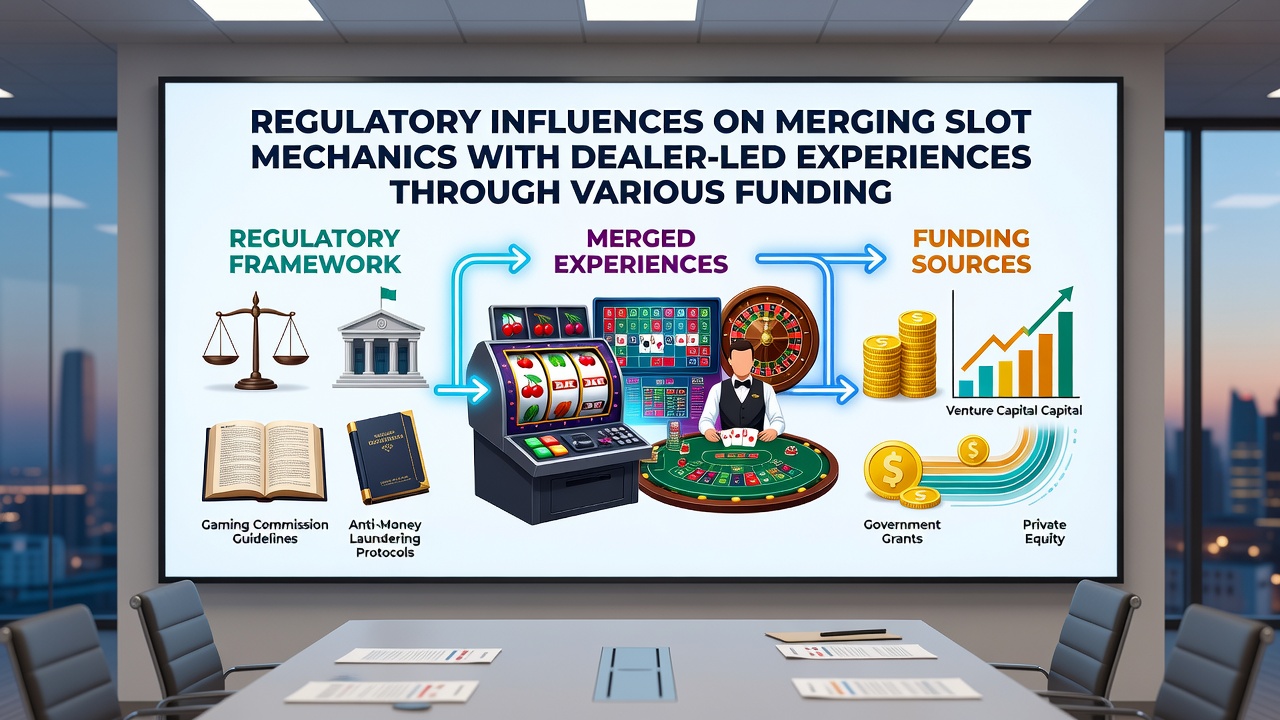
Industry reports indicate that operators now embed application programming interfaces within their platforms to tag each transaction according to its originating game type. Those who manage hybrid titles report that these tags allow automated systems to apply the correct tax and reporting rules before funds reach a live dealer table or a slot reel.
Technical Standards for Integration
Technical standards published by gaming laboratories require that random number generators used in slot segments maintain certification even when embedded inside a live dealer stream. Certification bodies examine whether a bonus round triggered during a blackjack session draws from the same certified generator or from a separate module. Observers note that failure to maintain this distinction has led to license conditions or temporary suspension orders in multiple jurisdictions.
Funding channels must also satisfy encryption and data retention rules that match the stricter of the two game categories involved. A credit card deposit used to enter a live dealer roulette game carrying slot-style multipliers, for example, follows the record-keeping period established for table games rather than the shorter period sometimes permitted for pure slot play.
Cross-Border Considerations
Operators licensed in one region that accept players from another must reconcile differing definitions of what constitutes a hybrid product. Australian regulatory sources have published position papers that classify certain bonus transfer features as slot mechanics even when they appear on a live dealer interface, whereas Canadian provincial frameworks apply table game rules to the same feature. Companies therefore maintain region-specific rule sets that activate depending on the player’s location and chosen funding method.
Conclusion
Regulatory frameworks continue to evolve as operators refine methods for merging slot mechanics with dealer-led experiences. Payment channel requirements remain central because they provide the verifiable record regulators use to confirm compliance. Figures from multiple oversight agencies demonstrate that clear transaction tagging and certified game modules reduce the incidence of rule breaches, and those who operate across borders must maintain parallel compliance systems that align with each jurisdiction’s definition of hybrid gaming.