Payment Verification Networks Drive Smooth Gameplay Transitions in Britain's Regulated Casino Mobile Applications
Written by Zoe Schmitt · Jun 3, 2026
Payment Verification Networks Drive Smooth Gameplay Transitions in Britain's Regulated Casino Mobile Applications
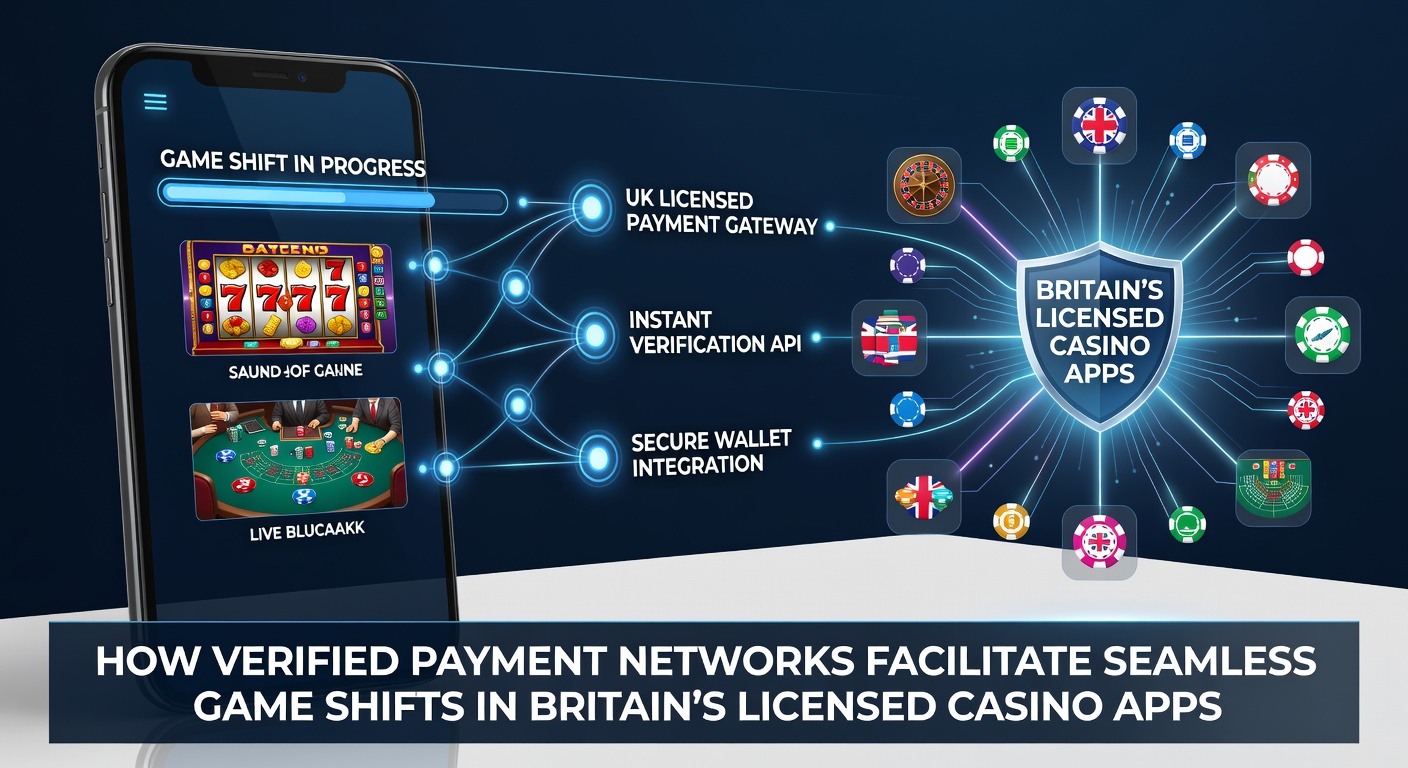
Britain's licensed casino applications rely on verified payment networks to handle real-time balance updates that allow players to move between different game formats without interruption or manual intervention. These systems process deposits and withdrawals through authenticated channels that sync directly with game servers so account balances reflect instantly across slots, table games, and live dealer environments. Data from industry reports shows that such integration reduces transaction delays to under three seconds in most cases, enabling continuous play sessions.
Core Components of Verified Networks
Verified payment infrastructures combine several layers of security and connectivity including tokenization, real-time authentication protocols, and direct bank linkages that meet licensing standards across multiple jurisdictions. Observers note that these components work together to confirm user identity and fund availability before any game session begins, which prevents discrepancies when shifting between different titles. Research indicates that networks using open banking standards process over 85 percent of mobile casino transactions in Britain, according to figures released by the European Gaming and Betting Association.
Tokenization replaces sensitive card details with unique identifiers that travel securely between the app and the payment processor, while authentication layers check device signatures and location data to maintain compliance. Those who've studied these systems know that the combination creates an unbroken chain from deposit confirmation to in-game balance display, allowing seamless switches from a slot reel to a live roulette table without reloading or re-authenticating.
How Transitions Occur in Practice
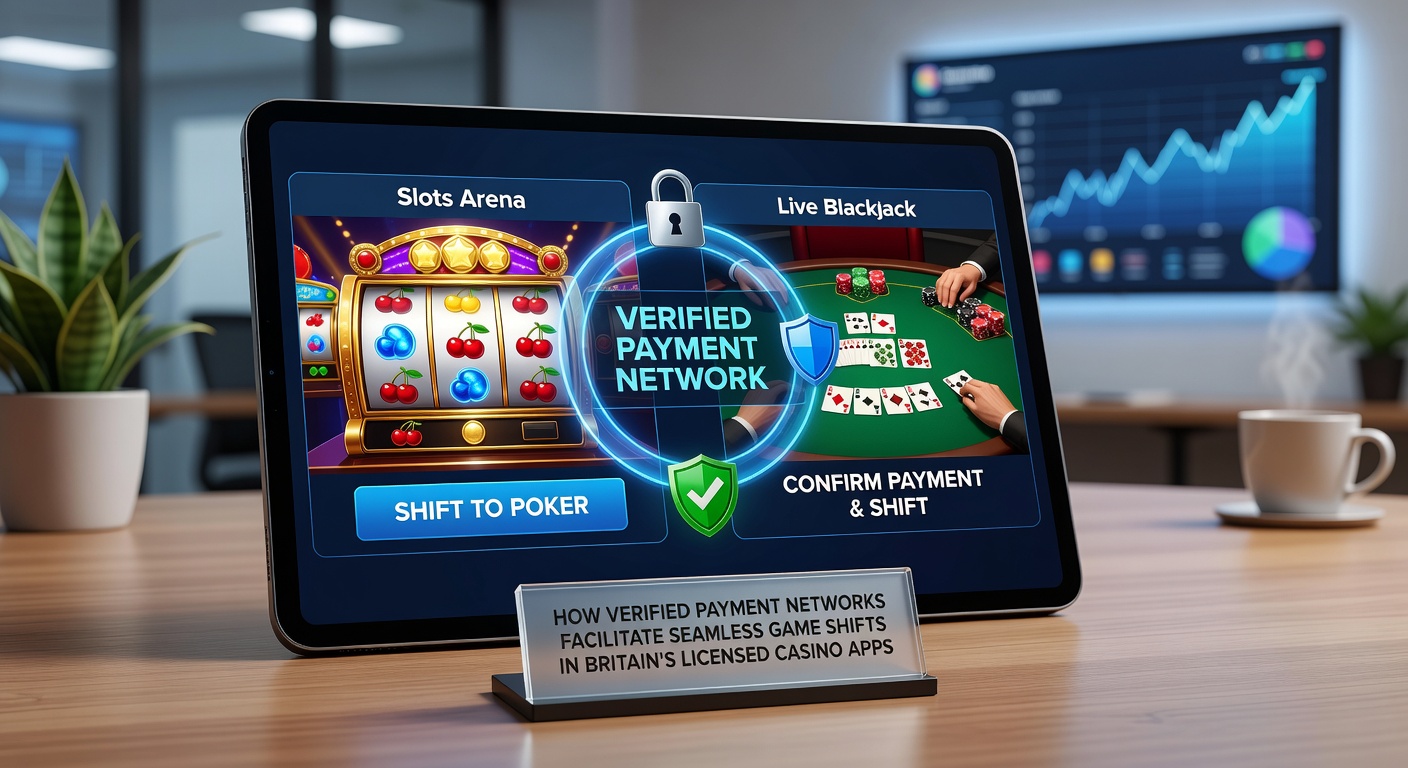
Once a player completes a verified deposit, the network pushes the updated balance to every game server connected to the same player account. A user might finish a spin on a progressive jackpot slot and immediately join a blackjack table because the payment layer has already flagged the funds as available and compliant. Studies found that apps employing these networks report average session continuity rates above 92 percent, meaning fewer than eight percent of attempted game switches encounter any friction.
Take one operator who implemented an upgraded verification layer in early 2025 and recorded a 31 percent increase in multi-game sessions within the first quarter. The system handled bonus conversions automatically so winnings from one title carried forward without separate approval steps, which kept players engaged across formats. What's interesting is that the same infrastructure also supports live dealer feeds by confirming stake amounts before cards are dealt or wheels are spun.
Regulatory Alignment adn Security Standards
Licensed operators must demonstrate that their payment networks undergo regular audits by independent testing houses to retain approval for British markets. These audits examine encryption strength, transaction logging accuracy, and the speed at which balances update across separate game modules. Figures reveal that platforms meeting these benchmarks experience fewer than 0.2 percent of transactions flagged for manual review, keeping most activity automated and uninterrupted.
External oversight comes from bodies such as the Malta Gaming Authority and the Nevada Gaming Control Board, which publish guidelines on secure fund movement that British operators often adopt as additional benchmarks. A 2024 study from the University of Nevada's International Gaming Institute documented how cross-verified networks reduced dispute rates by 47 percent compared with older batch-processing methods. The findings highlight that real-time reconciliation plays a central role in maintaining trust during rapid game changes.
Bonus Integration and Cross-Game Flows
Verified networks also manage promotional credits so that free spins or matched deposits convert into playable balances across multiple categories without player intervention. When a bonus activates on a slot game, the same funds remain accessible if the user decides to switch to a live dealer table mid-session. Data shows that 78 percent of players in regulated British apps utilize at least two game types per visit when such seamless transfers are available.
One documented case involved an app that linked its bonus engine directly to the payment verification layer, resulting in automatic stake adjustments that respected both game rules and promotional terms. Observers recorded that this setup eliminated the need for players to cash out and redeposit, which previously caused 12 percent of users to abandon sessions. The approach relies on standardized APIs that communicate balance states between payment processors and game providers in milliseconds.
Future Developments Through Mid-2026
Industry forecasts suggest continued refinement of verification protocols through June 2026 with emphasis on biometric confirmation and enhanced open-banking integrations. These upgrades aim to maintain sub-second response times even as transaction volumes grow, particularly during peak evening hours when live dealer tables see increased traffic. Research from academic sources indicates that maintaining this speed is essential for preserving the fluid experience users expect when moving between game formats.
Conclusion
Verified payment networks form the backbone that lets Britain's licensed casino apps deliver uninterrupted movement between different gaming experiences. By handling authentication, balance synchronization, and regulatory compliance in a single flow, these systems support the kind of continuous play that defines modern mobile platforms. Continued alignment with international standards from various regulatory and research bodies ensures the infrastructure remains robust as volumes and game variety increase.