Payment Pathways Connecting Incentives to Mobile Blackjack Variants and Roulette Strategies in Licensed Settings
Written by Avery Schmid · Sep 29, 2026
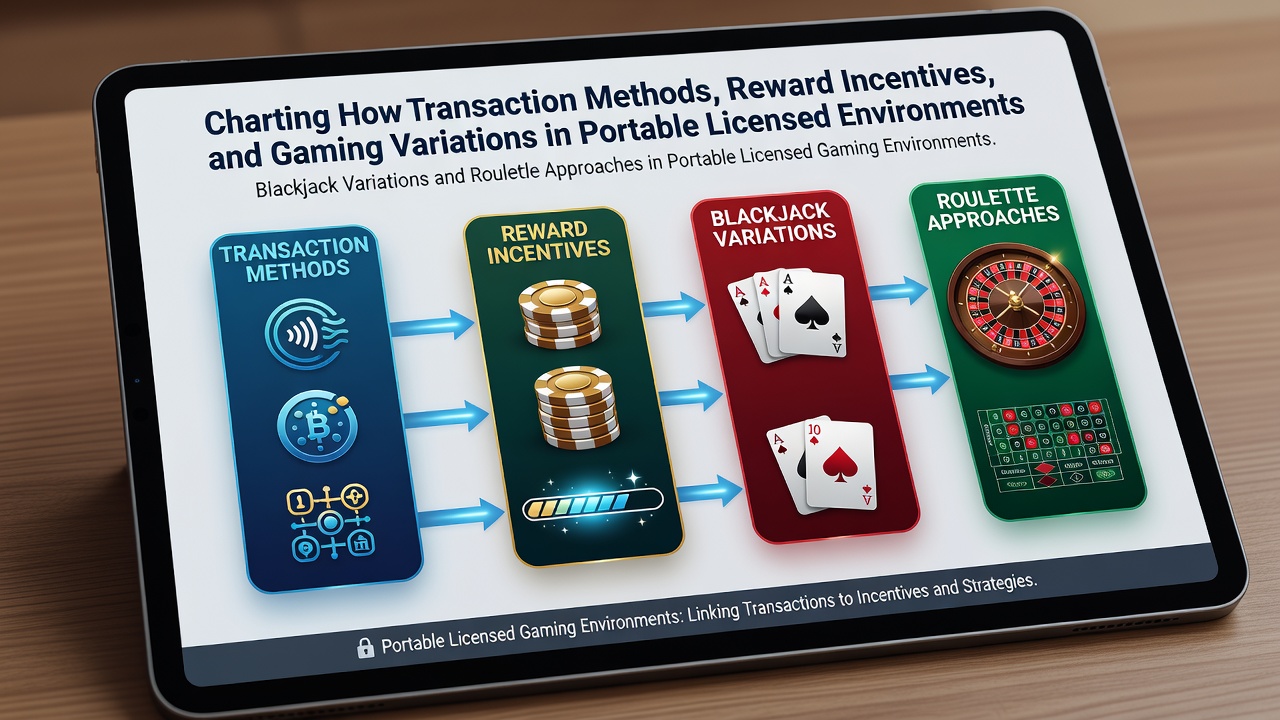
Payment Pathways Connecting Incentives to Mobile Blackjack Variants and Roulette Strategies in Licensed Settings
Transaction methods in licensed mobile gaming environments create direct connections between deposit speeds and the activation of reward incentives tied to specific blackjack variations along with roulette approaches, and data from regulatory filings shows these links shape player engagement patterns across portable platforms. Observers note that instant e-wallet transfers often unlock tiered bonus structures faster than traditional bank transfers, allowing immediate access to variants such as European blackjack or single-deck formats where payout multipliers align with deposit-triggered promotions.
Transaction Speed and Incentive Activation
Studies from industry research groups indicate that e-wallet systems reduce processing times to under five minutes in most licensed jurisdictions, which in turn triggers reward incentives like matched deposits or cashback offers specifically calibrated for blackjack strategy adjustments, and researchers at academic institutions have documented how these rapid links encourage shifts toward low-house-edge variants during promotional windows. Debit card transactions follow a similar pattern but with added verification layers that can delay bonus claims by up to two hours, whereas cryptocurrency options in select licensed markets accelerate the process even further for roulette wheel selections that incorporate progressive betting approaches.
Blackjack Variations and Linked Rewards
Multiple blackjack versions operate within mobile licensed settings, including Atlantic City rules that permit doubling after splits and those that restrict such moves, and transaction methods directly influence which incentives players can claim upon funding accounts. Fast-processing payments integrate with loyalty programs to award free hands or multiplier boosts that apply exclusively to certain rule sets, while slower methods limit users to standard play without the layered rewards. Data indicates that regions with streamlined digital wallet regulations see higher adoption rates for variant-specific bonuses, as players move funds and activate offers in a single seamless flow.
Roulette Approaches Tied to Payment Mechanisms
Roulette formats range from American wheels with double zeros to European and French versions featuring la partage rules, and these approaches connect to incentive structures through the timing and type of transaction completed. Licensed operators use payment gateways to segment bonuses so that instant deposits unlock chip packages tailored for outside bet strategies, while bank wire options route players toward inside-number focus rewards that require larger initial commitments. Figures from global gaming reports reveal that September 2026 marked expanded testing of instant settlement features in several North American markets, which analysts link to increased participation in French roulette mechanics supported by real-time bonus redemptions.
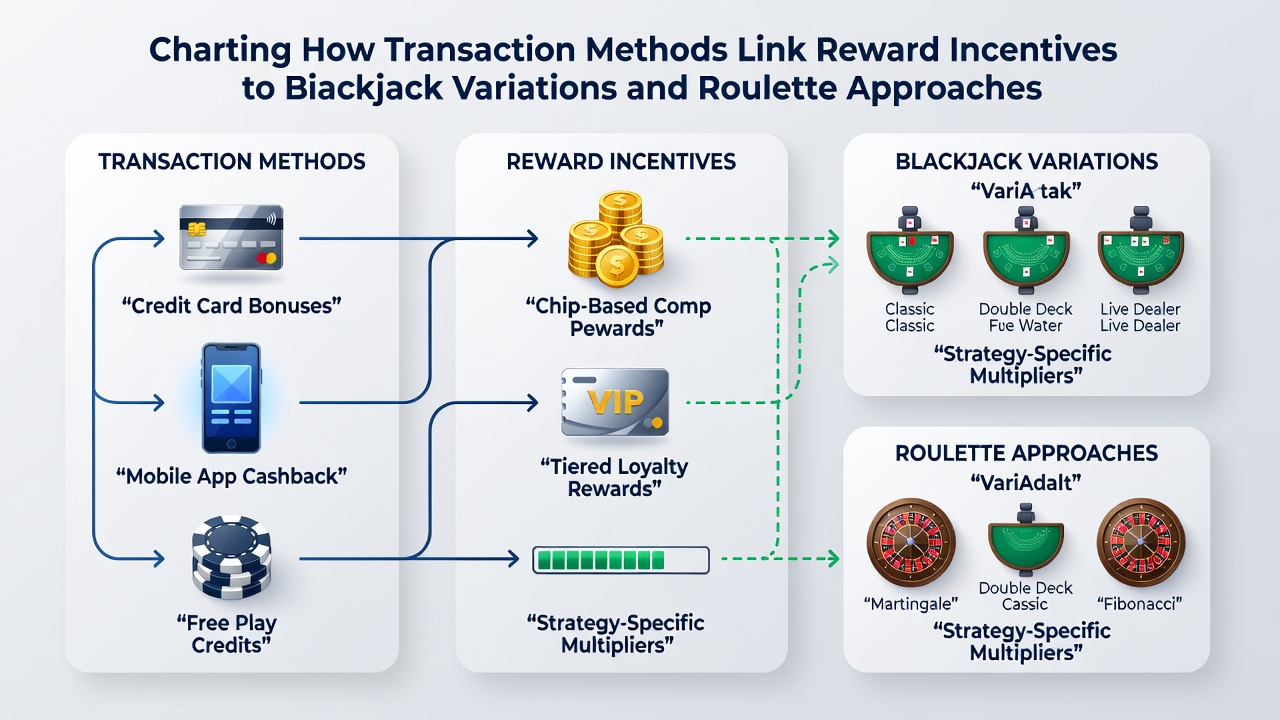
People who monitor mobile platform metrics often discover that e-wallet integrations create feedback loops where roulette spin bonuses feed back into additional deposit incentives, sustaining longer sessions across licensed apps. This occurs because transaction confirmations automatically update player profiles with new reward tiers that apply to both American and European wheel formats without manual intervention.
Regulatory Frameworks Across Regions
Licensed environments enforce rules that tie transaction verification to responsible gaming tools, and these requirements affect how reward incentives distribute across blackjack and roulette options. A National Council on Problem Gambling analysis highlights that verification steps in certain provinces create measured delays that still permit bonus activation once funds clear, maintaining compliance while preserving the connection between payments and game variants. In contrast, Australian regulatory updates from mid-2026 emphasize transparent fee disclosures that indirectly influence incentive value calculations for mobile roulette plays.
Case Examples from Licensed Markets
One documented instance involved a Canadian operator that synchronized debit card deposits with blackjack variant promotions, resulting in measurable uptake of surrender-rule tables during bonus periods according to internal compliance logs. Another example from an EU-based platform showed cryptocurrency transactions unlocking French roulette cashback offers within minutes, which researchers tied to broader patterns of cross-game incentive migration tracked in quarterly reports. Observers note these cases illustrate consistent linkage mechanics rather than isolated events, with payment rails serving as the common thread.
Future Developments in Mobile Integration
Industry associations project continued refinement of payment-to-incentive pipelines through 2027, particularly as more jurisdictions adopt unified digital identity standards that speed verification for blackjack and roulette rewards. Those who track technical standards expect enhanced API connections to allow real-time bonus distribution tied to specific transaction confirmations, potentially expanding variant accessibility in portable licensed environments. Evidence from pilot programs suggests these advancements will maintain regulatory oversight while strengthening the factual links between funding methods and game-specific incentives already observed in current systems.
Conclusion
Payment pathways in licensed mobile gaming establish measurable connections between transaction methods and reward incentives that apply to distinct blackjack variations and roulette approaches, with data from multiple regions confirming these operational links. Faster systems like e-wallets facilitate quicker activation cycles compared to traditional options, and ongoing regulatory evolution continues to shape how these integrations function across platforms without altering the underlying factual relationships.