Payment Confirmation Timelines and Their Role in Reward Redemption Within Hybrid Mobile Environments
Written by Zoe Schmitt · Aug 10, 2026
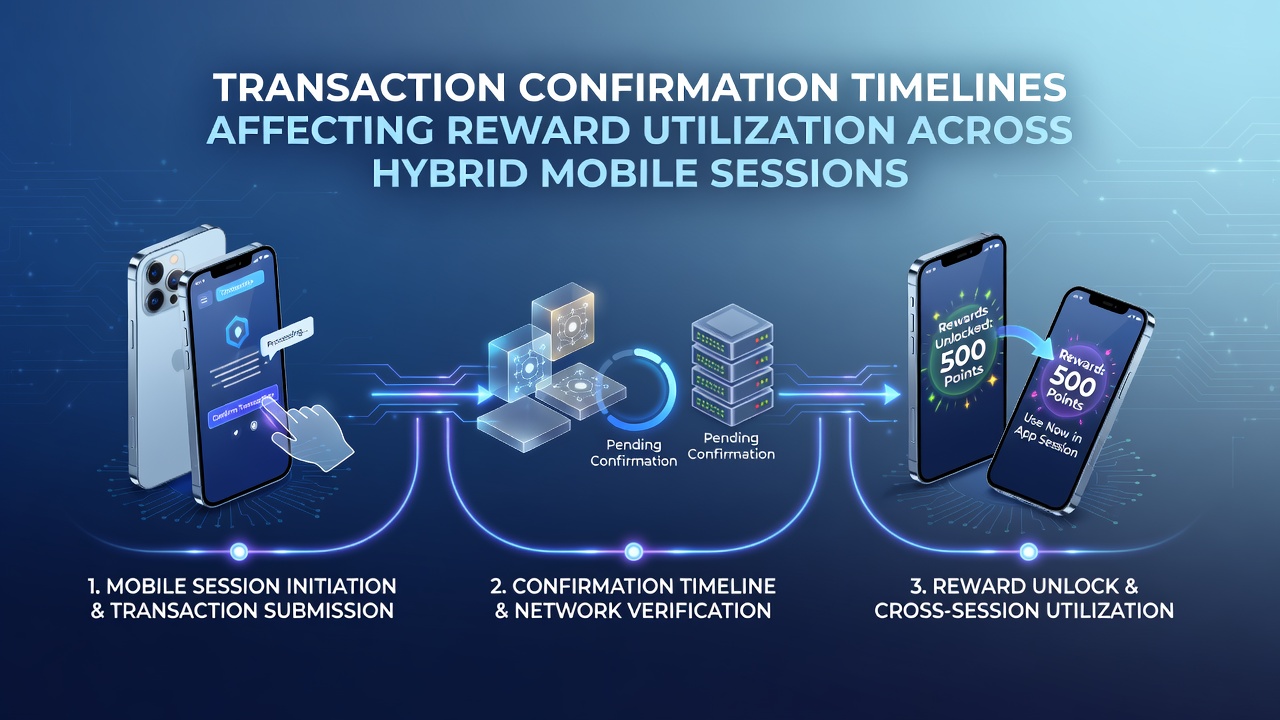
Payment Confirmation Timelines and Their Role in Reward Redemption Within Hybrid Mobile Environments
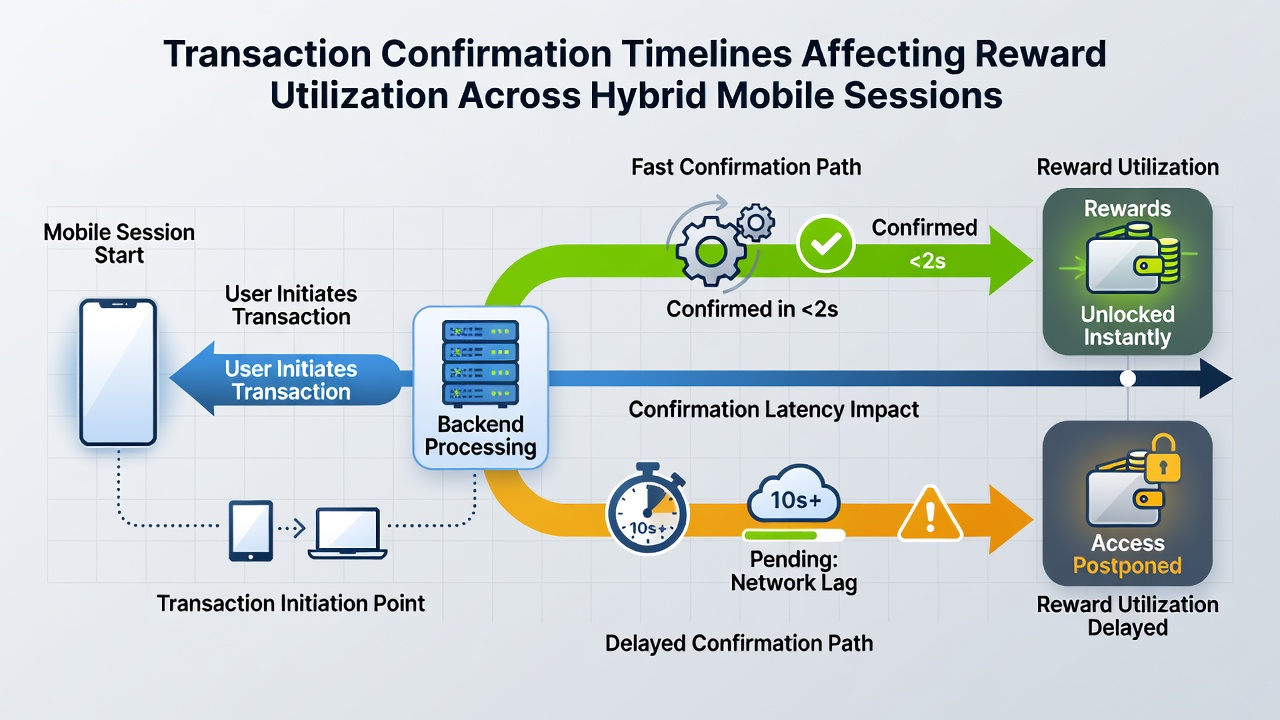
Hybrid mobile sessions combine native device features with web-based interfaces, creating environments where transaction confirmation timelines directly shape when users can access accumulated rewards, points, or credits in applications spanning e-commerce, loyalty programs, and service platforms. Data from payment networks indicate that confirmation periods range from under one second for instant rails like certain digital wallets to several business days for traditional bank transfers, while reward systems often tie utilization eligibility to these verified states rather than initial authorization alone.
Core Mechanics of Hybrid Mobile Transactions
Developers build hybrid applications using frameworks that embed web content inside native shells, allowing seamless switches between local processing and server calls during a single user session, and this architecture means a transaction initiated in the native layer may route through web APIs for final settlement. Observers note that confirmation timelines vary because each component handles verification differently: native modules access device-level APIs for quick checks, whereas web elements depend on network latency and backend queues. Studies conducted by research institutions in the United States show that average confirmation for credit card authorizations completes in two to three seconds, yet full settlement required for reward credit release can extend to twenty-four hours or more depending on the processor and jurisdiction.
Regional Variations in Processing Speeds
Payment rails differ markedly across regions, with Singapore's real-time systems often settling funds within seconds according to Monetary Authority of Singapore reports, while certain European card networks require up to forty-eight hours for interbank reconciliation before rewards become spendable. These differences affect global applications serving users across borders, because a hybrid session started on a device in one location may encounter delays when the reward ledger sits on servers governed by another region's settlement rules. Figures released by the Reserve Bank of Australia in mid-2025 revealed that instant payment adoption reduced average reward lock periods by thirty-seven percent for participating merchants, yet legacy batch processing still accounts for a notable share of transactions in hybrid environments.
But here's the thing: when confirmation stretches beyond the active session window, users frequently abandon reward utilization attempts or face session timeouts that force re-authentication, interrupting the intended flow between earning and spending points. Researchers at Canadian universities examining hybrid app performance documented cases where delayed confirmations led to duplicate transaction attempts, increasing both processing load and user friction without altering the underlying reward balance until settlement cleared.
Effects on Reward Utilization Patterns
Reward programs typically credit balances only after funds move from pending to settled status, which creates a lag between user action and point availability that hybrid sessions amplify through their layered architecture. Evidence from industry analyses indicates that applications incorporating live balance updates during the confirmation window maintain higher engagement rates, because users receive immediate visual feedback even when full redemption remains locked. Those who have studied these systems observe that shorter timelines correlate with increased cross-session activity, as participants return to the same hybrid environment to spend newly confirmed rewards within the same day rather than waiting for overnight batch updates.
What's interesting is how certain loyalty platforms have introduced provisional credit mechanisms that allow limited reward use during the confirmation period, provided the transaction ultimately settles without reversal. August 2026 updates to several major payment schemes introduced standardized provisional credit APIs specifically designed for hybrid mobile contexts, enabling developers to display tentative balances while maintaining compliance with settlement finality requirements. Data collected across multiple platforms suggest these provisional features reduced user drop-off during reward redemption attempts by approximately twenty-two percent in the first quarter following implementation.
Technical Factors Influencing Timelines
Network conditions, device processing power, and backend queue lengths all contribute to variable confirmation speeds within a single hybrid session, and developers must account for these elements when designing reward interfaces that update reliably across iOS and Android environments. Industry reports from European technology consortia highlight that WebView components inside hybrid shells sometimes introduce additional milliseconds of latency during API handoffs, extending the perceived confirmation timeline even when the underlying payment rail operates quickly. Observers note that caching strategies and background synchronization routines help mitigate these delays, allowing reward balances to reflect confirmed transactions as soon as the native layer receives settlement notifications.
Take one developer team that integrated real-time webhooks into their hybrid reward module; they recorded consistent balance updates within four seconds of settlement across test devices operating on varied network conditions. Such implementations demonstrate that careful coordination between native and web layers can compress effective confirmation timelines without altering the payment rails themselves.
Conclusion
Transaction confirmation timelines continue to determine the precise moment when rewards become usable across hybrid mobile sessions, with variations driven by payment rail choices, regional regulations, and technical implementation details. As platforms adopt faster settlement methods and provisional credit tools, the gap between transaction initiation and reward utilization narrows, supporting smoother user flows in mixed native-web environments. Ongoing refinements in API standards and session management practices suggest further compression of these timelines remains achievable while preserving security and finality requirements.