Mapping Verified Licensing Frameworks to Progressive Jackpot Structures in Mobile Blackjack and Roulette
Written by Avery Schmid · Aug 17, 2026
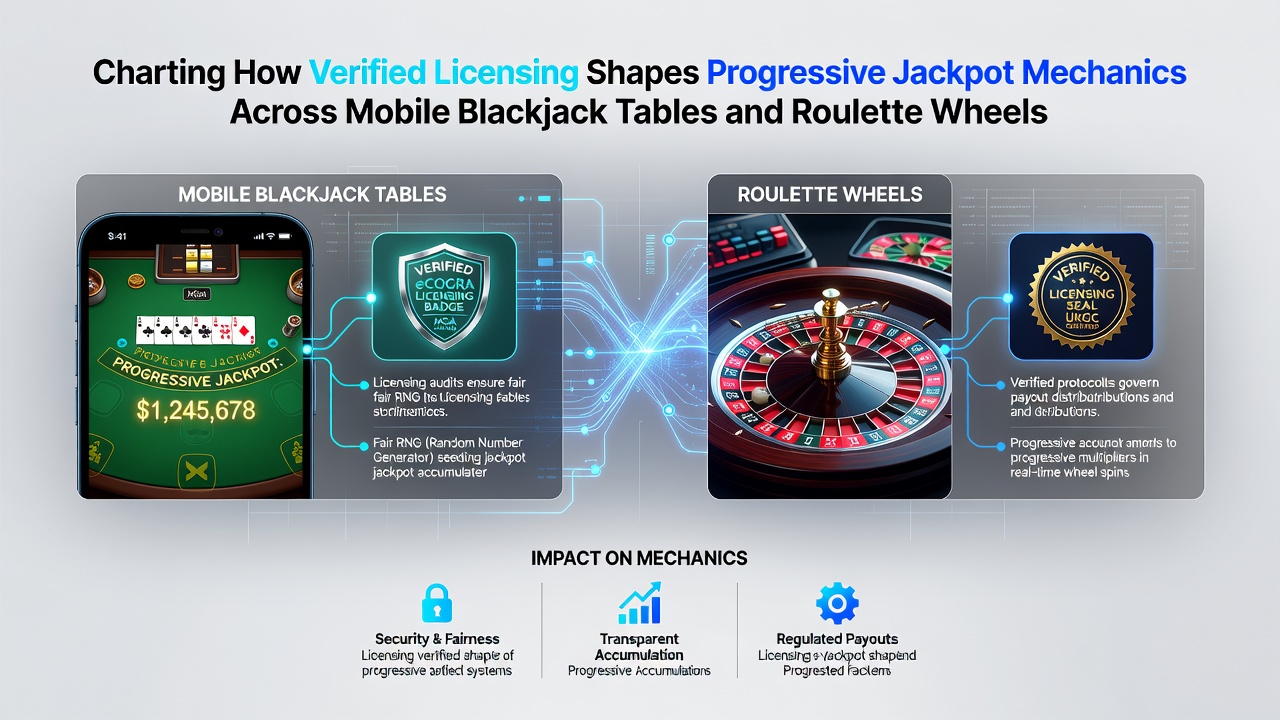
Mapping Verified Licensing Frameworks to Progressive Jackpot Structures in Mobile Blackjack and Roulette
Verified licensing systems require operators to maintain transparent audit trails for any progressive jackpot pools that appear across mobile blackjack tables and roulette wheels, and these requirements directly determine how seed amounts accumulate, how contributions from each wager feed into shared meters, and how payouts trigger when specific combinations land. Regulators in multiple jurisdictions mandate that software providers document every increment to the jackpot total through independent testing laboratories before an app reaches players, which means the visible meter on a smartphone screen reflects only those contributions that have passed documented verification steps.
Core Licensing Requirements for Progressive Elements
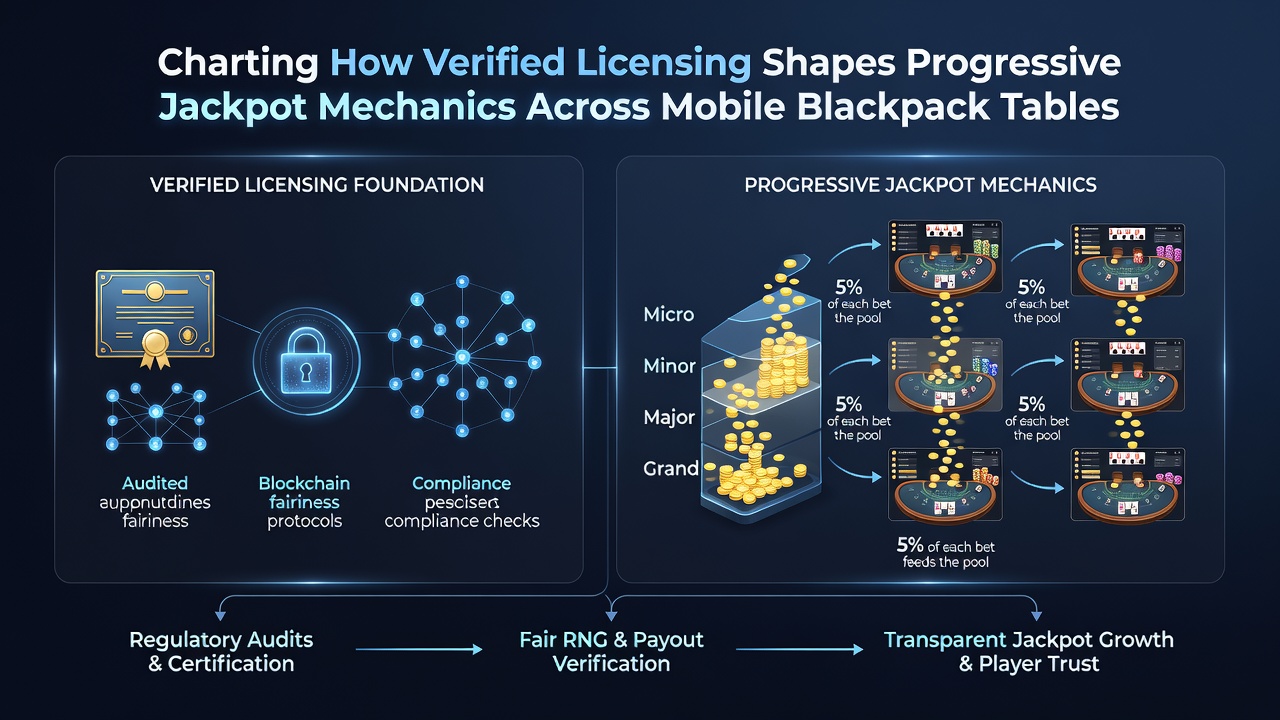
Operators holding licenses from bodies such as the Nevada Gaming Control Board must submit detailed protocols that separate base game returns from progressive contributions, ensuring that any side bet feeding a jackpot in mobile blackjack or roulette meets minimum return-to-player thresholds even before the progressive component activates. These protocols typically specify that the random number generator driving jackpot triggers undergoes monthly statistical reviews, while contribution percentages remain fixed unless an amendment receives prior approval from the licensing authority.
Mobile-Specific Implementation Details
On mobile platforms, the same licensing rules extend to session-based tracking that records every wager placed on blackjack or roulette in real time, and this data stream feeds both the visible jackpot meter and the backend ledger that regulators can access during compliance checks. Because mobile sessions often involve shorter play periods than desktop equivalents, licensing conditions frequently require operators to apply consistent contribution rates across all device types so that the progressive pool grows at the same proportional rate regardless of whether a player joins from a phone or a tablet.
August 2026 Regulatory Updates
Reports issued in August 2026 by the Alcohol and Gaming Commission of Ontario highlighted adjustments to progressive jackpot certification timelines, noting that mobile blackjack and roulette titles now require pre-launch simulations covering at least 50 million game cycles before any new jackpot mechanic receives approval. These simulations must demonstrate that the progressive pool cannot be manipulated through network latency or device-specific RNG variations, and the findings appear in public summaries that list exact contribution percentages and reset values for each approved title.
Cross-Jurisdictional Pool Management
When a single progressive jackpot spans multiple licensed markets, operators must reconcile differing tax treatments and reporting intervals, yet the underlying licensing agreements still require a single, auditable contribution formula applied uniformly to every qualifying wager placed on mobile blackjack or roulette. Industry reports from the European Gaming and Betting Association indicate that such multi-jurisdiction pools now incorporate automated reconciliation scripts that flag any discrepancy exceeding 0.01 percent of the total meter, prompting immediate review by the involved regulators before further contributions accumulate.
Player-Facing Display Standards
Licensing conditions also dictate the precision of jackpot displays shown on mobile screens, requiring that the meter updates within two seconds of each qualifying wager while simultaneously logging the transaction for audit purposes. Observers note that these display rules prevent operators from rounding or truncating figures in ways that could obscure the true pool size, and the same standards apply equally to blackjack side-bet jackpots and roulette wheel bonus jackpots when both appear within the same licensed app.
Conclusion
Verified licensing therefore functions as the structural backbone that dictates every measurable aspect of progressive jackpot behavior in mobile blackjack and roulette environments, from initial seed values through contribution mechanics to final payout verification. Data compiled by testing laboratories and regulatory bodies across North America and Europe shows consistent patterns in which stricter documentation requirements correlate with slower but more stable jackpot growth rates, while still allowing operators to offer these features within approved mobile frameworks.