Digital Pathways Powering Fluid Switches Between Slot Machines and Live Blackjack Tables
Written by Zoe Schmitt · Aug 3, 2026
Digital Pathways Powering Fluid Switches Between Slot Machines and Live Blackjack Tables
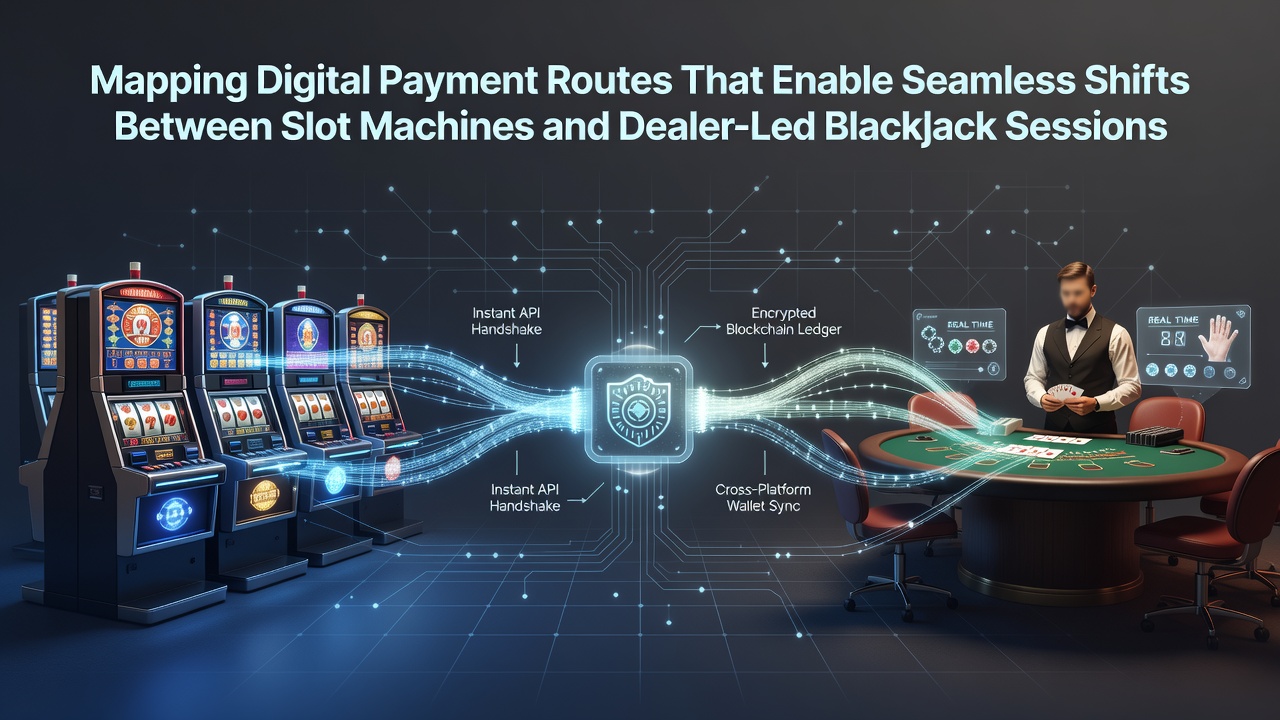
Digital payment systems now form interconnected networks that let players move funds directly from slot machine sessions into dealer-led blackjack rounds without separate logins or account resets, and these routes rely on real-time authorization protocols that sync across gaming platforms, while data from industry reports shows transaction completion times averaging under three seconds in licensed operations as of August 2026.
Core Components of Integrated Payment Routes
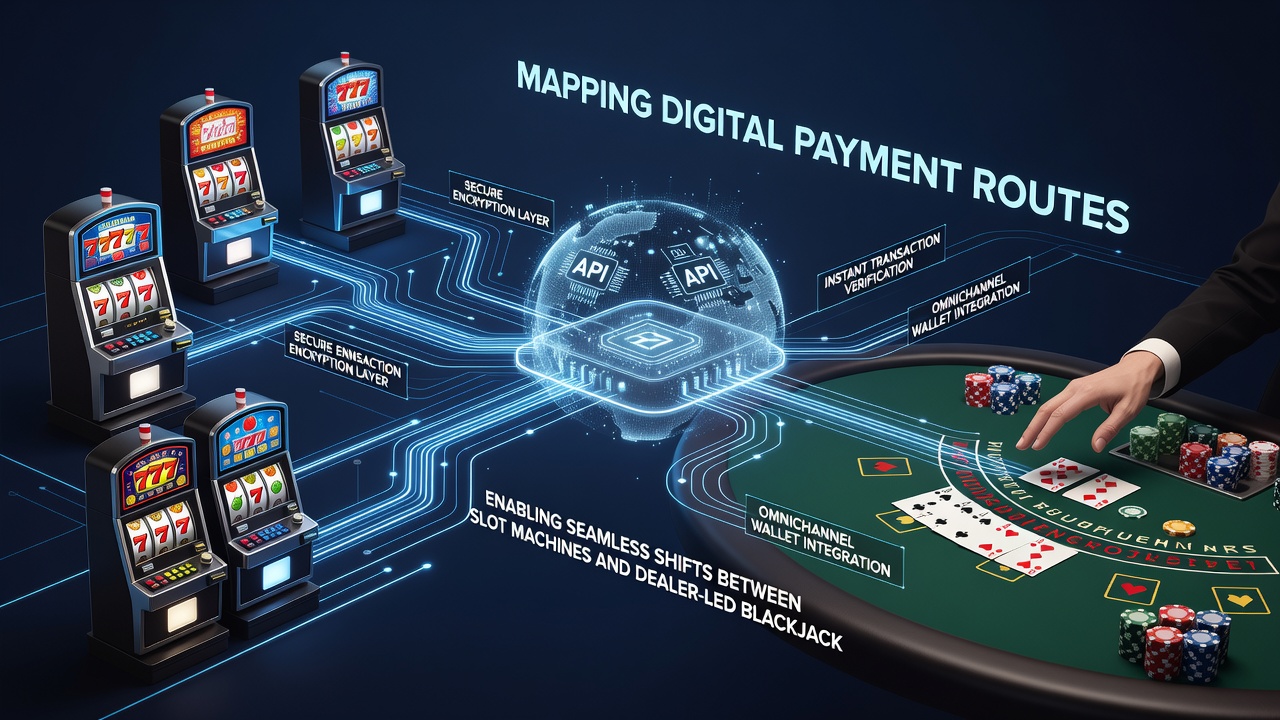
Payment gateways act as central hubs where slot machine software interfaces directly with live dealer blackjack applications through shared APIs, and this setup allows balance transfers that carry over wins or remaining credits seamlessly, yet researchers at various gaming technology firms have documented how encryption layers protect each step while maintaining compliance with data security standards across multiple jurisdictions.
Electronic wallets serve as the primary vehicles for these shifts because they store player funds in a neutral format that both slot systems and blackjack tables can access instantly, and observers note that providers such as those tracked in North American market analyses integrate with over 200 gaming operators to reduce friction during play transitions.
Step-by-Step Flow from Slots to Blackjack
Players initiate a transfer by selecting a designated payment option within the slot interface which then routes the request through an authorization server, and once confirmed the funds appear in the blackjack session balance within the same account profile, while this process avoids traditional banking delays because it operates on internal ledgers that update in milliseconds according to technical specifications released by software developers.
Security protocols require multi-factor verification at each transfer point, and studies from academic institutions examining fintech applications in entertainment sectors have highlighted how biometric checks combined with tokenization prevent unauthorized moves yet preserve speed for legitimate users.
Technical Standards Supporting These Connections
API frameworks standardized by international gaming associations enable different game types to communicate payment status without exposing sensitive details, and this architecture supports both land-based terminals and mobile applications that switch between slots and blackjack in a single session, whereas earlier systems required players to cash out and re-deposit separately.
Real-time ledgers track every movement across the network, and figures from a 2025 report by the American Gaming Association indicate that operators adopting these unified routes saw a measurable rise in session continuity rates compared to fragmented payment setups.
Regional Variations in Implementation
European operators often pair these payment routes with centralized player accounts that span multiple game categories, while Canadian regulatory bodies have issued guidelines requiring clear audit trails for all transfers between slot and table game environments, and Australian research papers on digital gambling infrastructure have examined how similar systems handle cross-currency conversions during blackjack play following slot wins.
Latency testing conducted by independent labs shows that optimized routes maintain sub-second response times even during peak hours, and this reliability stems from redundant server connections that reroute traffic automatically when one pathway encounters congestion.
Future Developments in Payment Mapping
Emerging blockchain elements appear in pilot programs that log transfer histories on distributed ledgers for added transparency, and industry organizations continue to refine protocols that would allow instant shifts across even more game variants beyond slots and blackjack, yet the core focus remains on maintaining speed alongside regulatory oversight from diverse authorities.
Conclusion
These digital payment routes continue to evolve through collaboration between software providers, gaming operators, and oversight agencies around the world, and the result is a network where players experience continuous engagement as funds move fluidly between slot machines and dealer-led blackjack without interruption or additional steps.