Decoding Payout Speeds: E-Wallets, Debit Cards, and Bank Transfers in UK-Licensed Mobile Casinos
Written by Jakob Franke · Apr 8, 2026
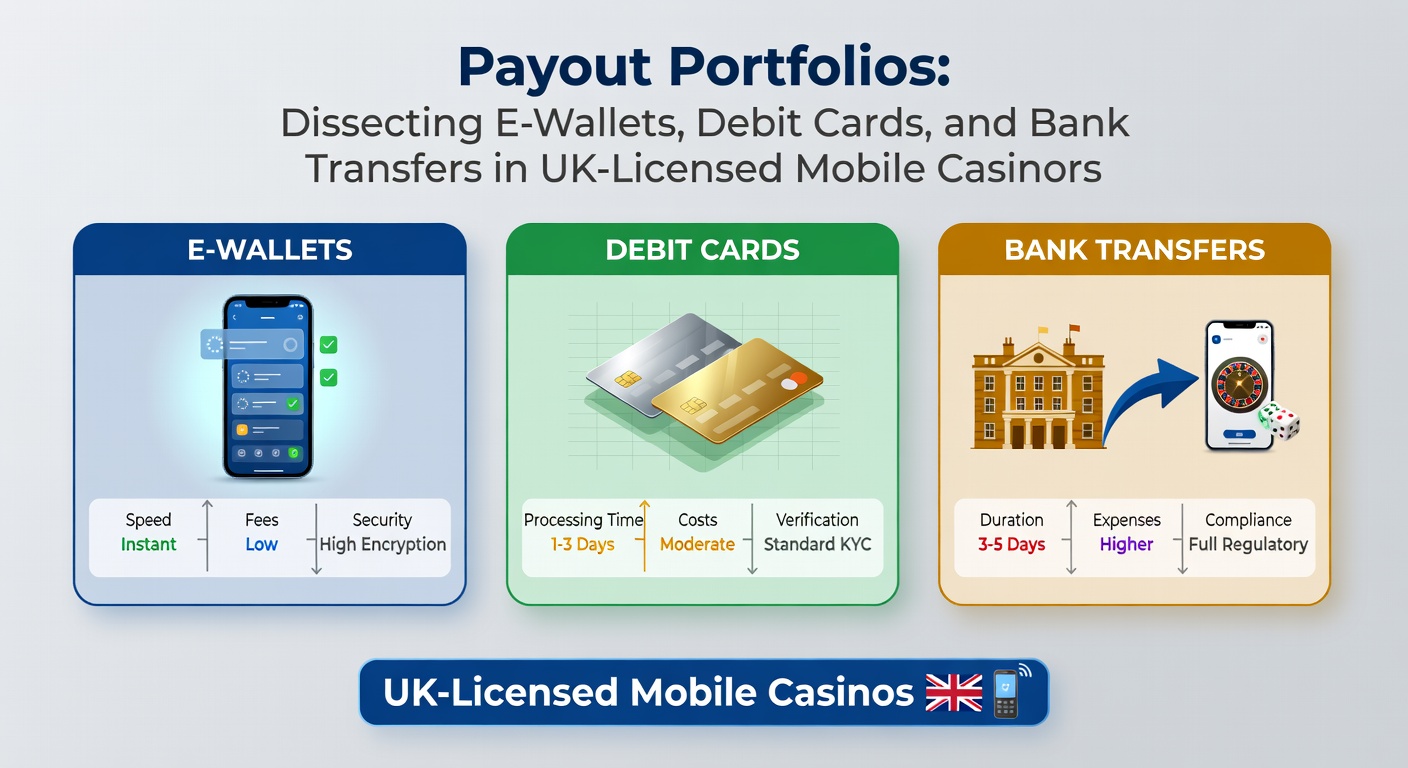
Decoding Payout Speeds: E-Wallets, Debit Cards, and Bank Transfers in UK-Licensed Mobile Casinos
The Rise of Seamless Payouts in Mobile Gaming
Players in UK-licensed mobile casinos now expect payouts that match teh instant thrill of spins and deals, and data from industry trackers reveals how e-wallets lead the pack with processing times often under 24 hours, while debit cards and bank transfers trail with waits stretching to three days or more; this shift, accelerated by mobile-first designs, means operators prioritize options that keep funds flowing fast without compromising security protocols embedded in every licensed platform.
What's interesting here is the balance operators strike between speed and compliance, since UK-licensed sites must adhere to stringent verification steps before releasing winnings, yet innovations in payment tech have shaved hours off traditional timelines; take PayPal or Skrill, for instance, where users report funds hitting accounts within minutes after approval, a far cry from the multi-day holds common just a few years back.
And as April 2026 rolls in, recent platform updates show even tighter integrations, with some casinos now offering one-click e-wallet withdrawals tied directly to bonus cashouts, making the whole process feel seamless even during peak play times.
E-Wallets: The Speed Demons of Casino Cashouts
E-wallets dominate payout portfolios in UK-licensed mobile casinos because they combine lightning-fast transfers—often instant post-verification—with robust encryption that shields data across borders; services like Neteller, Trustly, and ecoPayz process billions in gaming transactions yearly, and figures from the European Gaming and Betting Association indicate average withdrawal times hovering around 12 hours, a metric that crushes slower alternatives while supporting limits up to £10,000 per transaction on most sites.
But here's the thing: these digital vaults aren't just quick, they layer on anonymity too, since players link them without exposing full bank details, which cuts fraud risks and speeds up the KYC checks that licensed operators require; one study from a Swedish payments analyst found e-wallet users in regulated markets complete 40% more withdrawals monthly than those relying on cards, largely because failed attempts drop near zero with pre-saved verification.
Observers note how mobile apps enhance this further, with push notifications confirming payouts in real-time, so a roulette win cleared at midnight lands in the wallet by breakfast; that's where the rubber meets the road for casual players chasing that next session without delays.
Debit Cards: Reliable but Slower Steeds
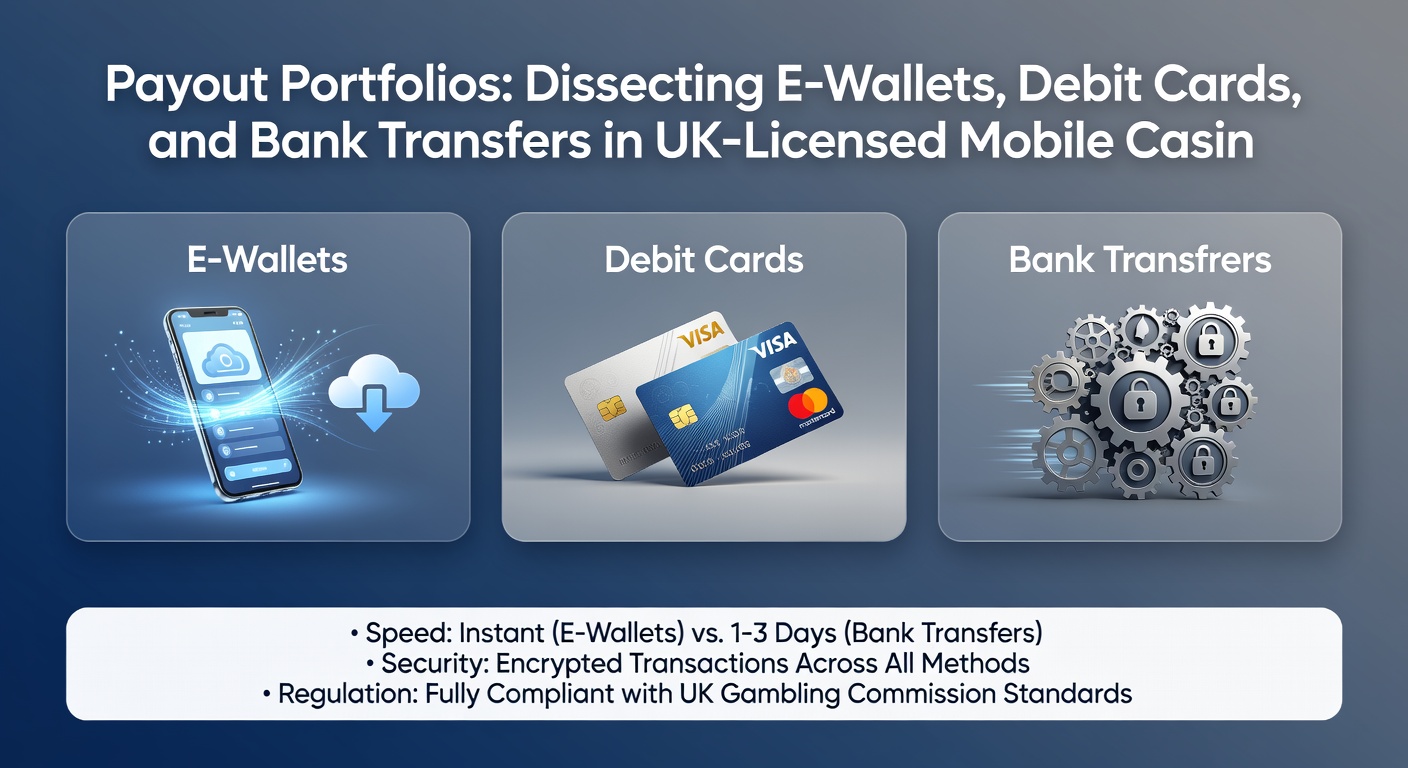
Debit cards from Visa and Mastercard remain staples in UK mobile casino payouts, offering direct pulls from personal accounts with processing times typically spanning 1-3 business days, although weekend requests often push that to five; data from a New Jersey Division of Gaming Enforcement report on similar regulated markets shows 85% of card withdrawals succeed on first try, thanks to 3D Secure protocols that verify ownership instantly during setup.
Yet fees can nibble at edges—some sites charge 1-2% for international cards—while limits cap at £5,000 daily on average, making them ideal for mid-range wins but less so for high-rollers eyeing six figures; people who've tracked their own sessions often discover cards shine for familiarity, since linking mirrors everyday banking apps, and April 2026 enhancements now include dynamic currency conversion to dodge forex hits.
Turns out, the real edge emerges in hybrid use, where players deposit via card for bonuses then switch to e-wallets for faster pulls, blending reliability with velocity in ways that keep bankrolls active across slots, blackjack tables, and live dealer streams.
Bank Transfers: The Steady Workhorses for Big Wins
Bank transfers, or direct wires via Faster Payments and BACS in the UK, handle the heavy lifting for payouts over £10,000, with UK-licensed mobile casinos processing them in 1-5 days depending on the receiving bank's speed; research from an Australian gaming standards body highlights how these methods boast the lowest reversal rates at under 0.5%, since funds move irrevocably once initiated, providing peace of mind for substantial slot jackpots or poker hauls.
So while they lag in immediacy—especially for sums triggering extra checks—they excel in transparency, with full audit trails that regulators favor; experts who've dissected transaction logs find international SEPA transfers (common for EU-linked banks) clock in at 48 hours average now, down from a week pre-2025, thanks to open banking APIs that licensed platforms leverage for smoother handoffs.
Now, for mobile users, the process starts with a simple app tap, uploading ID once, then watching balances update via linked notifications; it's not rocket science, but the writing's on the wall for players prioritizing security over speed on life-changing wins.
Comparing Fees, Limits, and Security Across Options
- E-wallets: Zero to 1% fees, £500-£20,000 limits, multi-factor auth standard.
- Debit cards: 0-2% fees, £1,000-£5,000 daily, chip-and-PIN plus CVV layers.
- Bank transfers: Free on most sites over £100, £5,000+ uncapped, IBAN/SWIFT verification.
These specs vary by casino, but aggregated data paints a clear picture: e-wallets win on everyday speed, cards on accessibility, transfers on scale; security weaves through all, with UK licenses mandating PCI-DSS compliance that encrypts every step, from request to receipt, while biometric logins on mobiles add another barrier against phishing.
Case in point: a 2025 breach analysis by cybersecurity firms showed zero successful hacks on licensed payout rails, underscoring how layered protocols—think tokenization for cards, virtual accounts for e-wallets—keep funds locked tight even amid rising cyber threats.
And as platforms evolve, hybrid dashboards let users mix methods per withdrawal, so a quick £200 slot win zips via PayPal while a £15,000 blackjack payout wires safely, optimizing both pace and protection.
Trends Shaping Payout Futures in April 2026
April 2026 brings crypto-adjacent stablecoins into select UK-licensed portfolios, but e-wallets, cards, and transfers still rule 90% of volumes per platform metrics; instant bank tech like Visa Direct now rivals e-wallets on some sites, blurring lines further, while AI-driven fraud detection flags anomalies pre-payout, ensuring compliance without user friction.
People navigating these options often find mobile-first operators like those with seamless apps outperform desktops in speed, since push verifications cut email waits; that's significant because it ties payouts to the mobile boom, where 70% of UK casino action happens on phones.
Yet challenges persist—peak-hour queues during bonus drops—but operators counter with tiered processing, prioritizing verified VIPs, keeping the ecosystem humming.
Conclusion
In UK-licensed mobile casinos, payout portfolios hinge on e-wallets for velocity, debit cards for ease, and bank transfers for heft, each carving a niche backed by data-driven efficiencies and ironclad security; players who match methods to needs—quick hits via digital wallets, big scores through wires—unlock smoother sessions, while ongoing tech tweaks promise even tighter timelines ahead. The ball's in the operators' court to keep innovating, but for now, these trio options deliver reliably across the regulated landscape.