Biometric Authentication Reshaping Mobile Entry to Live Dealer Tables and Bonus Structures
Written by Avery Schmid · Aug 8, 2026
Biometric Authentication Reshaping Mobile Entry to Live Dealer Tables and Bonus Structures
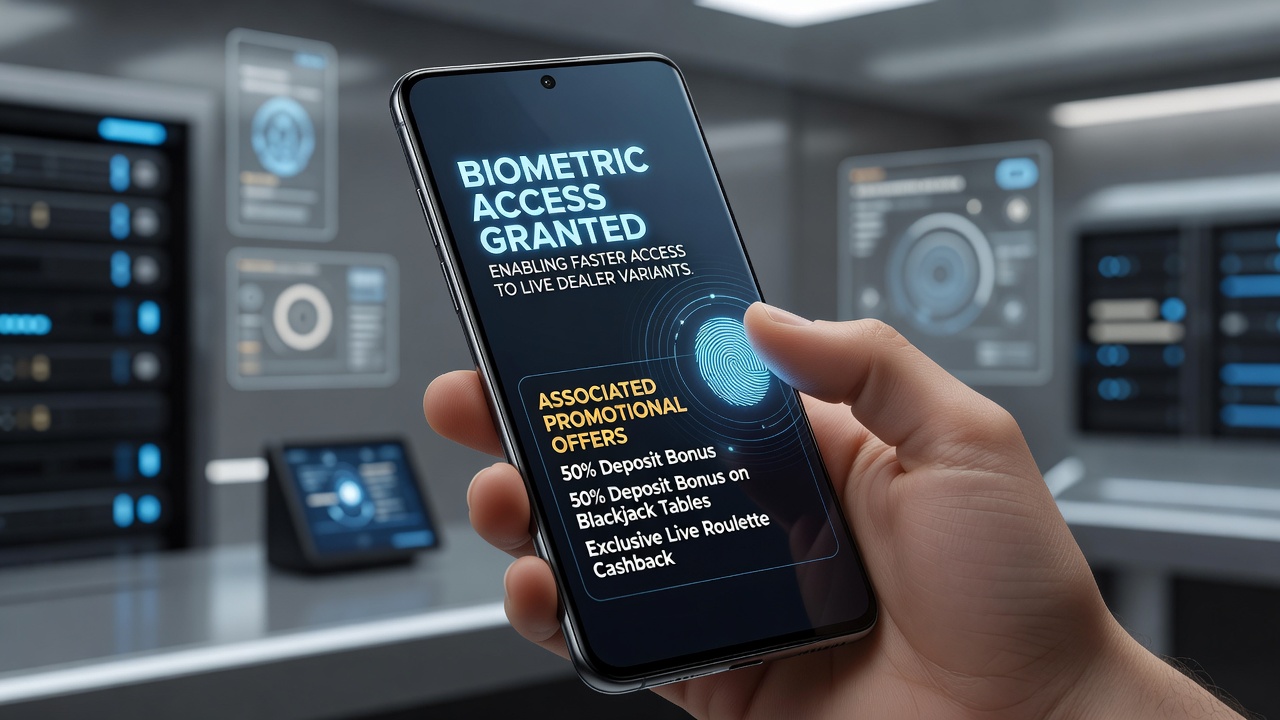
Biometric security measures now integrate fingerprint recognition, facial mapping, and iris scanning into handheld platforms, allowing users to bypass traditional password entry when reaching live dealer variants and associated promotional offers. These systems rely on device-embedded sensors that capture unique physiological traits, then match them against encrypted templates stored locally or in secure cloud environments.
Core Technologies Driving Access Speed
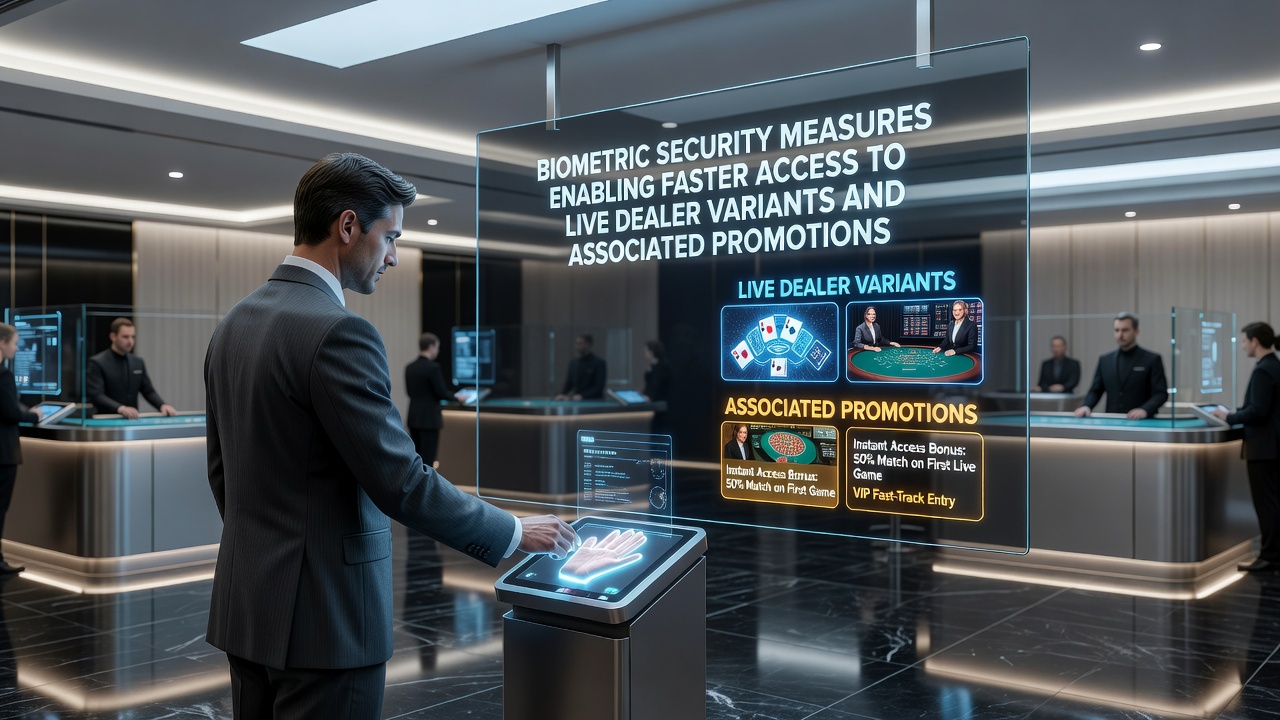
Device manufacturers have embedded advanced sensors that process biometric data in under one second, and operators deploy matching algorithms that confirm identity before routing players directly to tables featuring blackjack variants, roulette wheels, or baccarat layouts. Data indicates that platforms using these methods reduce login times by measurable margins compared with multi-factor codes or PIN sequences, while maintaining compliance with encryption standards set by organizations such as the National Institute of Standards and Technology.
Live dealer streams require stable, verified connections, so biometric checkpoints occur at session start and at intervals during extended play. This approach limits interruptions yet satisfies regulatory demands for player verification, especially when promotional offers involve deposit matches or free round allocations that must link to confirmed accounts.
Integration with Promotional Mechanics
Operators tie biometric confirmation to bonus activation sequences, enabling players to claim offers tied to specific live dealer sessions without re-entering credentials. Once a facial scan or fingerprint match succeeds, the system unlocks personalized promotions such as cashback on roulette wagers or enhanced multipliers on blackjack hands. Figures from industry reports show that such streamlined pathways increase redemption rates for time-limited offers that appear on mobile interfaces.
Variants of games often carry distinct promotional overlays, and biometric gates help segment access so that players reach the correct table variant without navigating multiple menus. This linkage between identity verification and offer delivery operates through secure application programming interfaces that transmit only hashed confirmation tokens rather than raw biometric images.
Regulatory and Security Context in Mid-2026
Updates published in August 2026 by standards bodies emphasize ongoing testing of biometric false acceptance rates and spoofing resistance, particularly for handheld devices used in remote gaming environments. These guidelines require operators to implement liveness detection that distinguishes between genuine traits and synthetic replicas, thereby protecting both account integrity and promotional fund distribution.
European regulatory frameworks and North American gaming commissions have aligned certain technical requirements, encouraging cross-border operators to adopt unified biometric protocols. Research conducted at institutions including Carnegie Mellon University has examined how multi-modal biometrics, combining face and fingerprint data, further lower error rates while preserving session speed.
Operational Advantages for Handheld Users
Players benefit when biometric checkpoints replace repeated password prompts during quick switches between live dealer tables and slot interfaces. The same verified session can surface targeted promotional offers based on prior activity patterns, all without exposing sensitive login details to network interception. Observers note that this continuity supports extended engagement with variants that feature side bets or progressive elements linked to bonus pools.
Device-level encryption keeps biometric templates isolated from the main operating system, and operators receive only success or failure signals. This separation reduces data exposure risks during promotional claim processes that sometimes involve real-time balance updates.
Challenges and Mitigation Strategies
Environmental factors such as lighting conditions or screen protectors can affect facial recognition accuracy, prompting developers to incorporate fallback options like fingerprint or voice pattern verification. Hardware diversity across smartphone models requires adaptive calibration routines that operators test regularly to ensure consistent performance across regions.
Security teams monitor for emerging spoofing techniques and update detection algorithms accordingly, maintaining alignment with evolving standards from international gaming associations. These measures sustain trust in systems that grant rapid passage to live dealer environments and their associated reward structures.
Conclusion
Biometric authentication continues to compress the steps between device unlock and participation in live dealer variants while simultaneously gating promotional access. As sensor technology and matching algorithms advance, operators gain tools to deliver verified, personalized experiences on handheld devices without compromising security protocols. Reports from standards organizations and academic studies confirm that these methods support both speed and regulatory compliance in evolving mobile gaming landscapes.